
Event: Perfect Collapse Investigation Launch
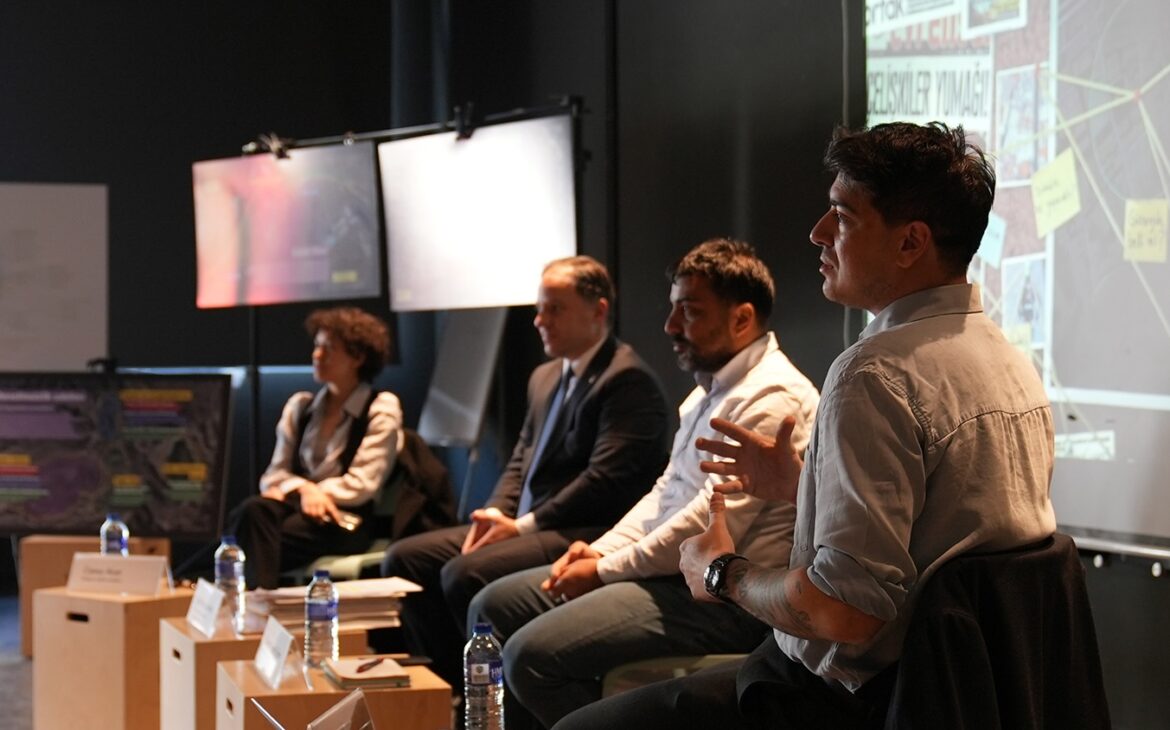
Speakers: Deniz Yavuzyılmaz, Cansu Acar, Cömert Uygar Erdem, Doğu Eroğlu
April 25 2025 - Kadıköy/İstanbul
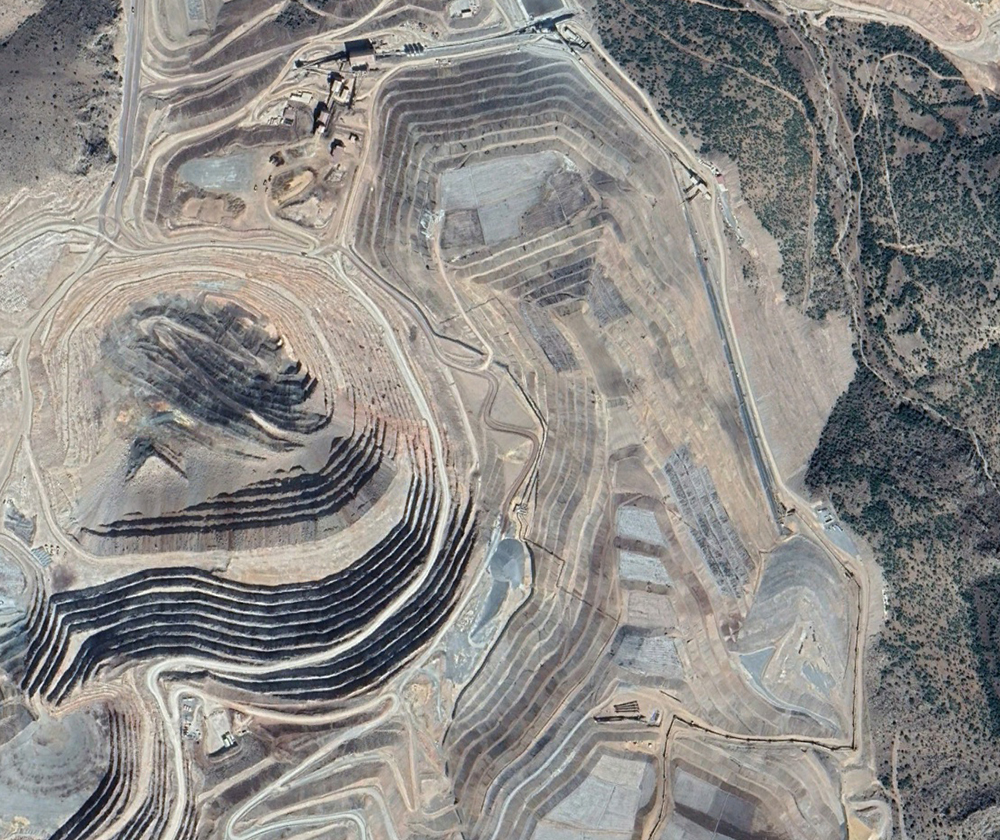
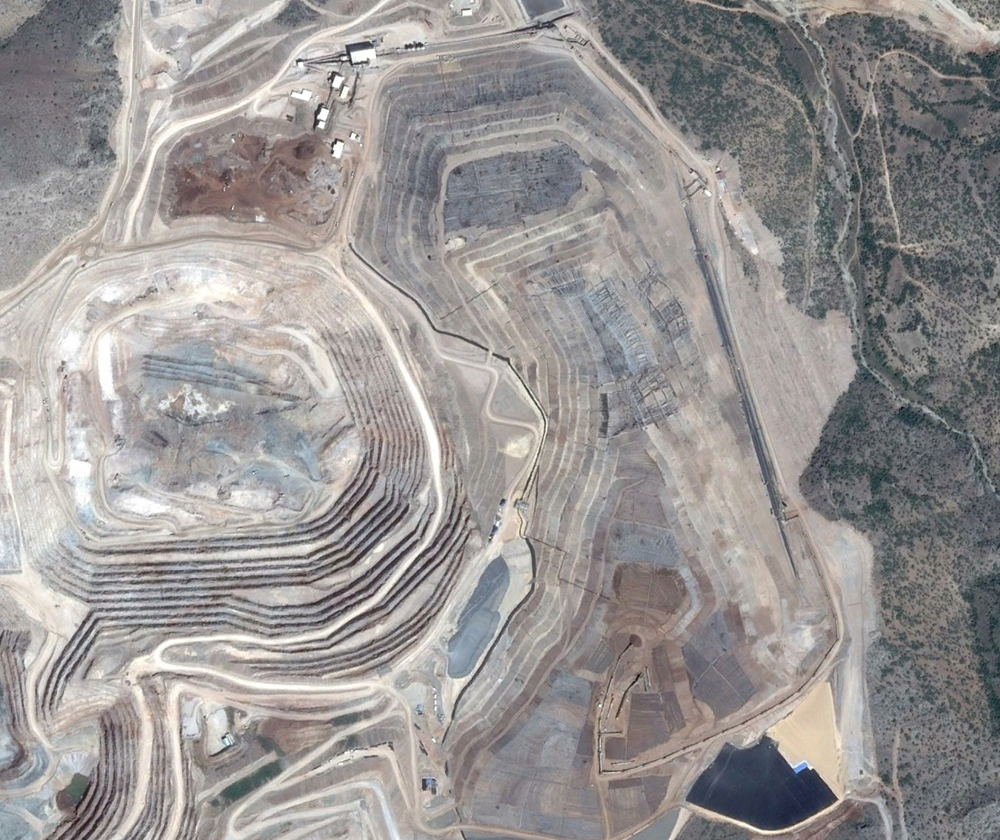
We shared the methodology and findings of the newly launched Perfect Collapse investigation with the public during a panel discussion held at Kadıköy Gazhanesi. Deniz Yavuzyılmaz — Deputy Chair of the CHP and Member of Parliament for Zonguldak — spoke about his experience in the Parliamentary İliç Research Commission established in the aftermath of the 13 February 2024 İliç mining disaster. Members of the investigative team — Doğu Eroğlu, Cömert Uygar Erdem, and Cansu Acar — reflected on the reporting process and discussed the key findings of the investigation.
Event: Global Investigative Journalism Conference 2025
GIJC2025 - Malezya
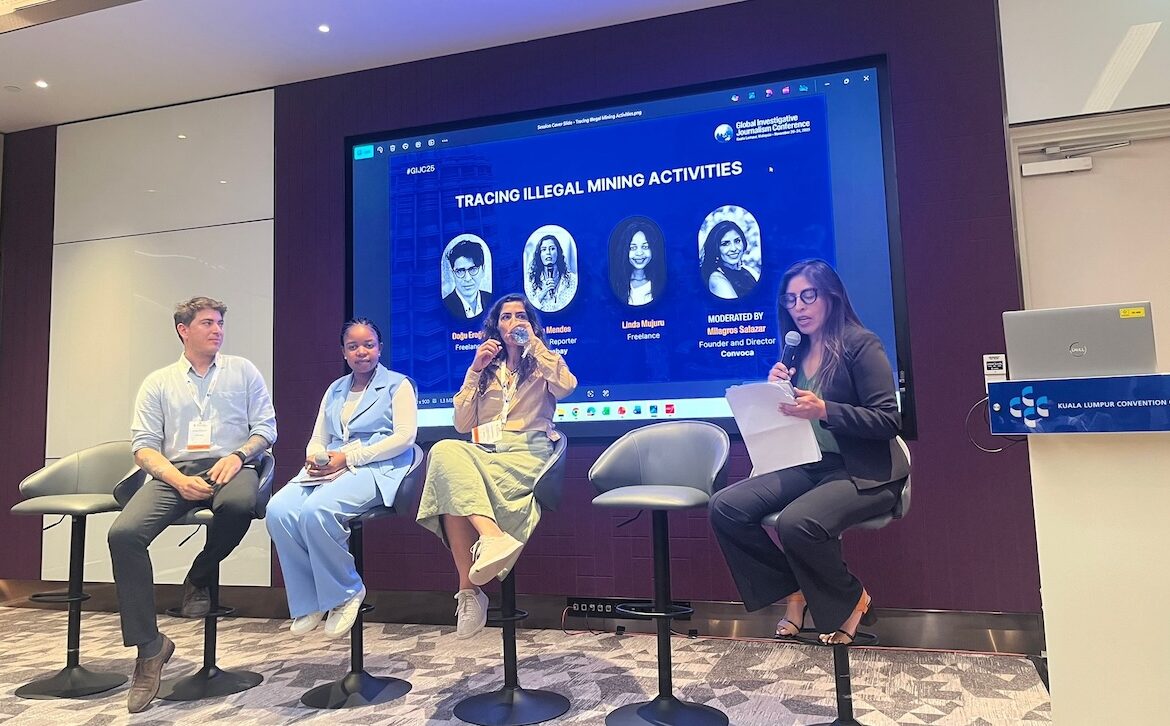
The lead researcher of the Perfect Collapse investigation, Doğu Eroğlu, presented the design, methodology, and key findings of the project to the international investigative journalism community at the Global Investigative Journalism Conference, organized by the Global Investigative Journalism Network and held in Malaysia.
Click on the headline or image to access the news coverage of the event.
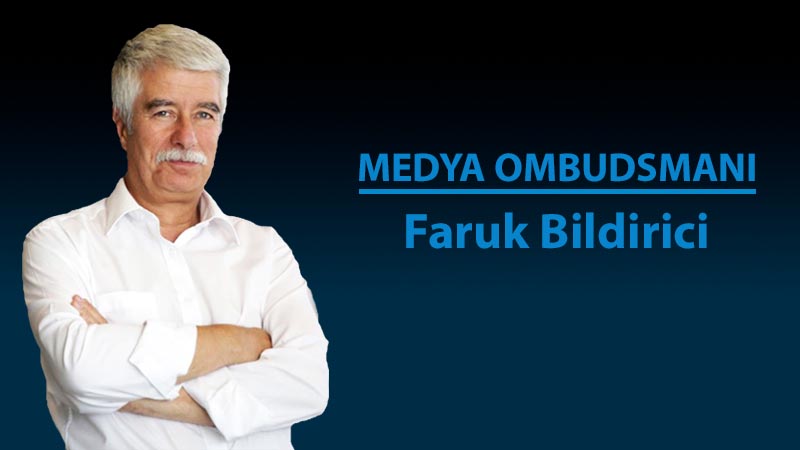
Article: The Difference Between Journalism and Public Relations
Faruk Bildirici - Multi-platform
“…I immediately read two news reports. One was an investigative piece titled ‘The Story of Two Villages in İliç: Çöpler and Sabırlı,’ published on T24. Written by Doğu Eroğlu and produced by Ortak, an independent newsroom for investigative journalists, the report described how ‘over the course of 15 years, the mine severed the entire region from subsistence livelihoods and proletarianized the population, making migration inevitable once operations were halted.’ The other report, published on Habertürk under the headline ‘The Public’s Common Demand: Reopen the Mine,’ stated that following the accident the local economy in İliç had come to a standstill and that villagers were calling for the mine to resume operations. There was indeed a stark contrast between the two reports.”
Click on the headline or image to access the full article.
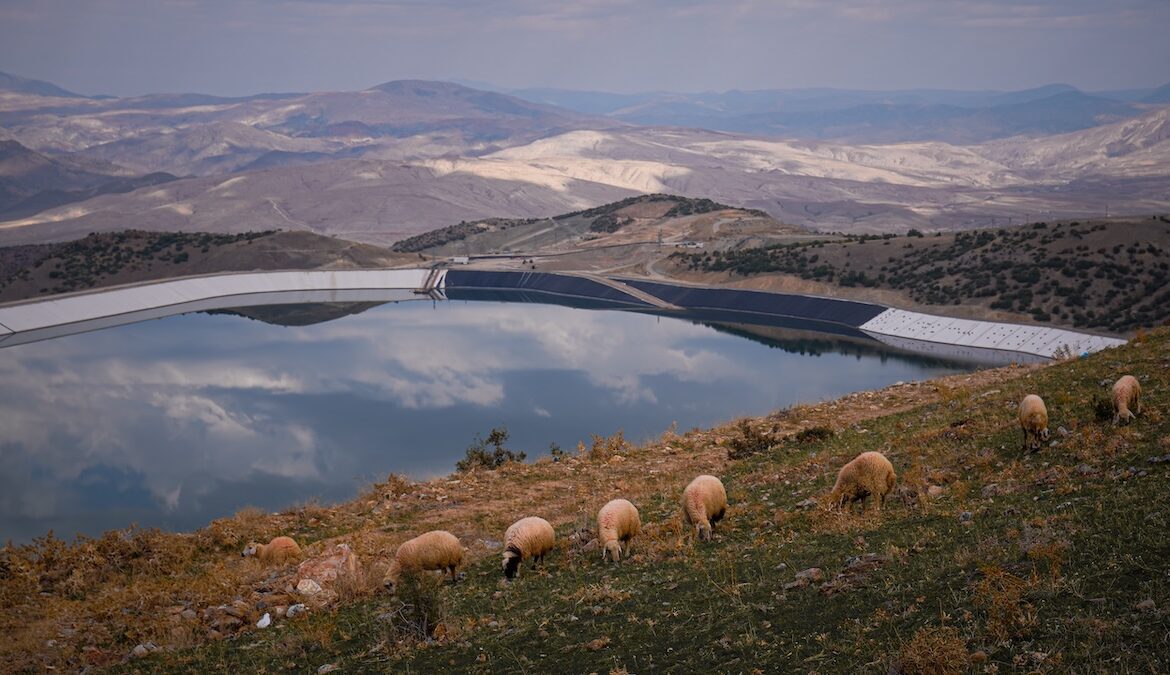
Radio Broadcast: Perfect Collapse – İliç
Yeni Nesil Çetelerin Dönüşen Silahları
Hukuk Güvenliği - Apaçık Radyo
"Nine citizens lost their lives in the İliç Gold Mine disaster. A total of 43 defendants — five of them under arrest — are being tried on charges of “causing death and injury by negligence” and “negligent environmental pollution.” Two hearings have taken place so far, yet the question of responsibility remains unanswered, with each party deflecting blame onto the other. Notably, the mining company itself is not a defendant in the case. Hopes for accountability have already begun to fade. In the city, representatives of political parties and professional chambers have started calling for mining operations to resume as soon as possible. But how is it that, after such a large-scale catastrophe, segments of the local population are demanding the reopening of the mine rather than protesting it? In light of these questions, we discuss the joint investigation “İliç / Perfect Collapse.” In this four-part series, Doğu Eroğlu presents the findings and explains how the district’s residents were gradually made economically dependent on the gold mine."
Click on the headline or image to access the full coverage.
Event: An Analysis of an Investigation – The Perfect Collapse
12th Bozcaada International Festival of Ecological Documentary
On 11 October 2025, as part of the 12th Bozcaada International Festival of Ecological Documentary, Doğu Eroğlu and Cömert Uygar Erdem presented the session “An Analysis of an Investigation: İliç – Perfect Collapse.” During the event, they shared their findings on the causes of the 13 February 2024 İliç mining disaster and examined the broader social impacts of mining operations on local communities.
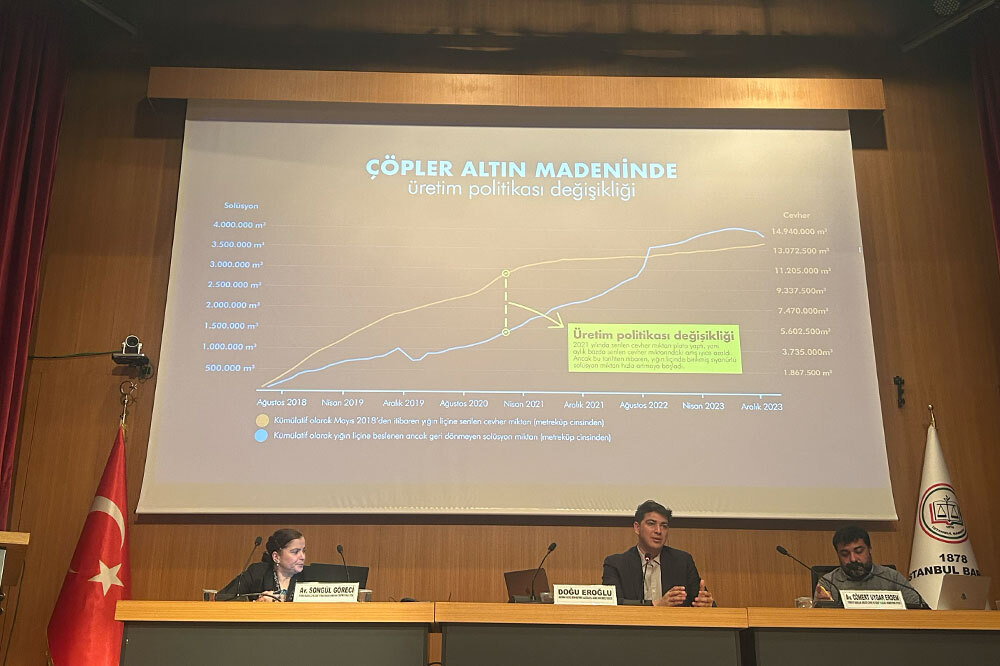
Event: The Anatomy of the Mining Order Barış Boyun-Daltonlar kavgasında dönüştürülmüş kurusıkı silahların rolü I Hazar Dost Anlatıyor
Yeni Nesil Çetelerin Dönüşen Silahları
Istanbul Bar Association - December 14 2025
At the panel titled “Wild Mining and Turkey”, organized by the Environment, Urban and Zoning Law Commission of the Istanbul Bar Association on 14 December 2025, Doğu Eroğlu and Cömert Uygar Erdem presented the findings of the Perfect Collapse investigation during the session “İliç – Perfect Collapse: The Anatomy of the Mining Order.”
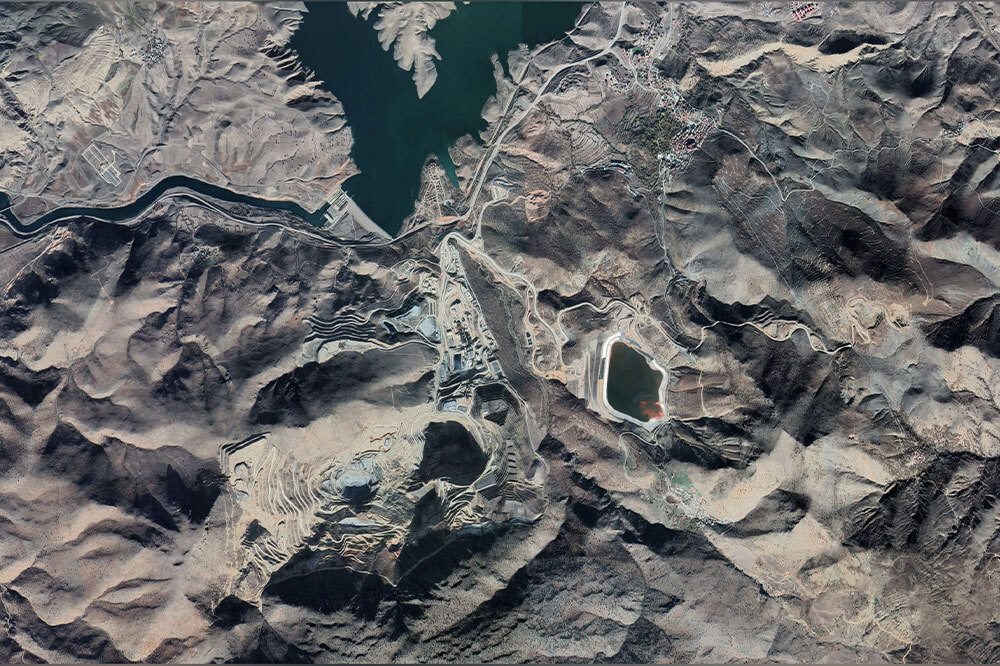
Article: Perfect Collapse and the Search for Justice
Tülay Özgür - Magma Magazine
"Research indicates that the primary driver behind the disaster was a push for accelerated production. As gold prices surged, the company significantly increased the volume of solution applied to the existing heap leach mass rather than keeping the structure within safe operational limits. This disrupted what engineers refer to as the “critical mass” balance, causing the heap to effectively liquefy and flow. Ministerial responsibility during this period reflected a clear failure of oversight. The Ministry of Environment maintained that its mandate was limited to impermeability controls, while the Ministry of Energy argued that its role concerned licensing alone, each deflecting responsibility for supervising the production process itself. The absence of qualified public experts capable of auditing a heap leach operation of this scale meant that inspections remained largely procedural and on paper."
Click on the headline or the image to access the article.