
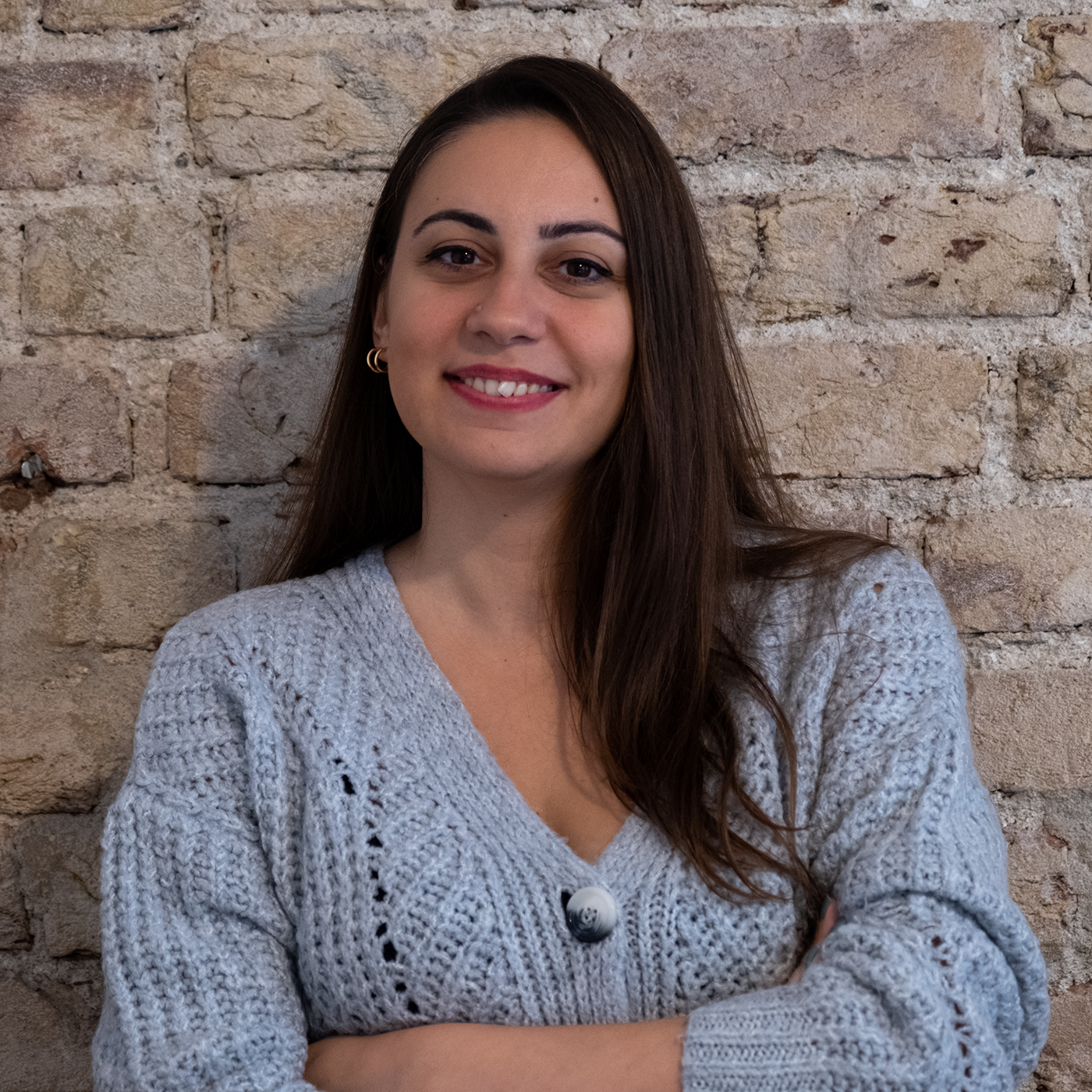
GÜLİN ÇAVUŞ
Strategic Lead
Gülin Çavuş is a journalist, researcher, and media entrepreneur working at the intersection of media, artificial intelligence, and ethical technology. Her work focuses on content production, trainings, and strategic initiatives aimed at fostering a healthier information ecosystem oriented toward the public good.
Çavuş is a co-founder of Teyit, where she has served in roles such as Editor-in-Chief and Head of Strategy. She is a former board member of the European Fact-Checking Standards Network (EFCSN).
In 2024, Çavuş founded Yapay Gündem, an initiative that supports the production of Turkish-language resources on the societal impacts of artificial intelligence while also designing training programs on the ethical use of AI technologies. Çavuş is also the founder of CancerDisinfo, a community-based initiative dedicated to ensuring information integrity around cancer-related issues.
Çavuş holds a master’s degree in Urban Policy Planning and Local Governance from the Middle East Technical University (METU). Her thesis examined how local governments use social media as a tool for participatory communication.
Professional experiences
- Co-Founder, Editor-in-Chief and Strategy Lead – Teyit (2016–2023)
- Freelance / Independent Journalist (2023–present)
- Founder and Director – Yapay Gündem (2024–present)
- Founder and Director – CancerDisinfo (2025–present)
- Founder – Obcordate (2025–present)
- Trainer / Lecturer (2016–present)
Research interests
Disinformation, propaganda, and information gaps in digital media
The societal impacts of artificial intelligence, particularly in relation to media, democracy, and inequality
Health communication, cancer misinformation, and health literacy
Digital literacy, digital well-being, and community resilience against misinformation
Solutions journalism and community-centered models of information integrity
Notable works and publications
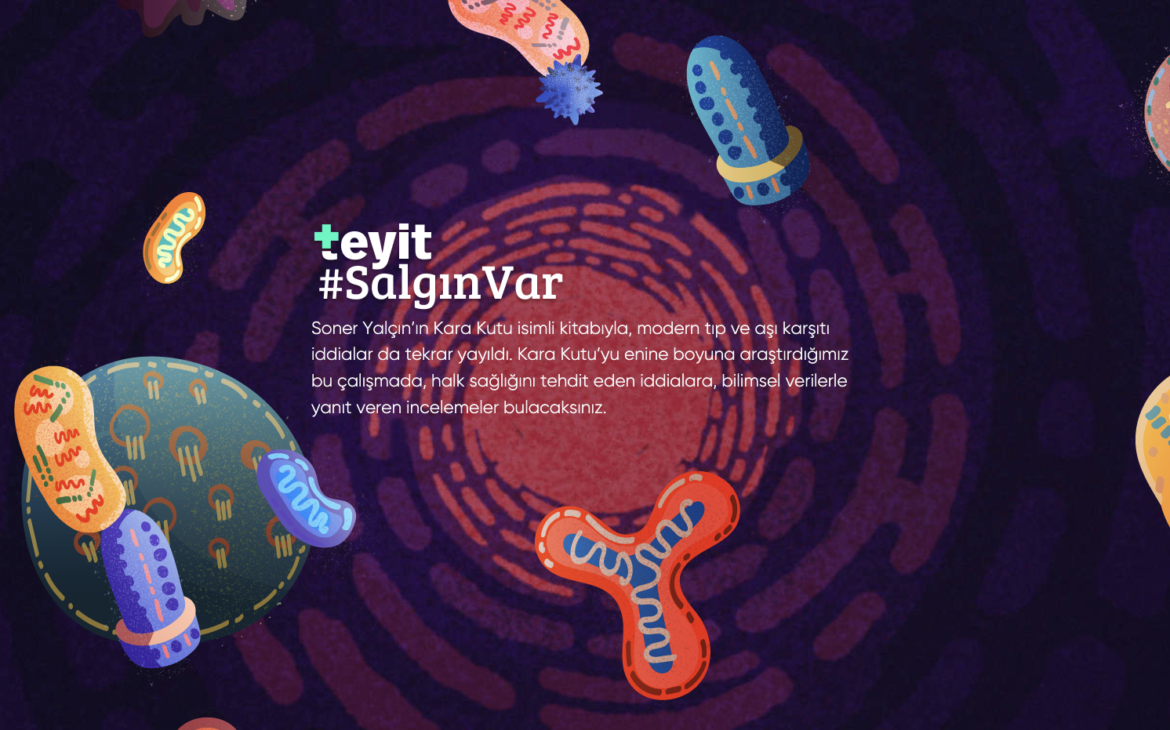
Salgın Var – Health Misinformation and Health Literacy
Salgın Var is an in-depth investigation centered on Soner Yalçın’s book Kara Kutu: Yüzleşme Vakti, examining claims that lack scientific evidence and appeal to powerful emotions such as fear. The project was developed as a comprehensive response to health-related misinformation, aiming to strengthen health literacy and promote evidence-based public understanding.
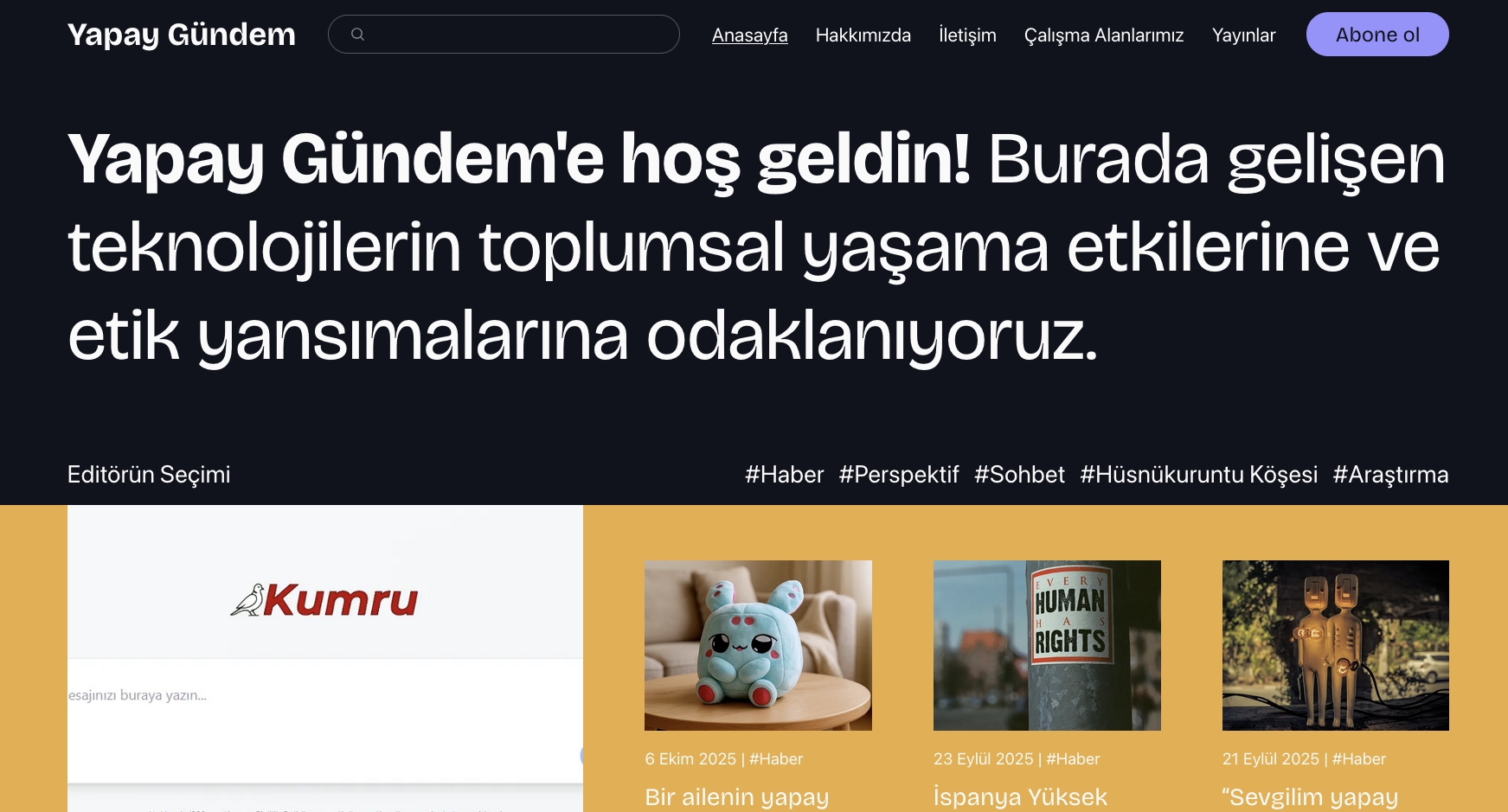
Yapay Gündem – AI and Ethics Platform
An ongoing publication and research initiative that monitors developments in artificial intelligence through the lenses of democracy and ethics, addressing the lack of Turkish-language resources. The platform produces content and delivers trainings for media professionals and civil society organizations, focusing on AI-driven disinformation and platform power.
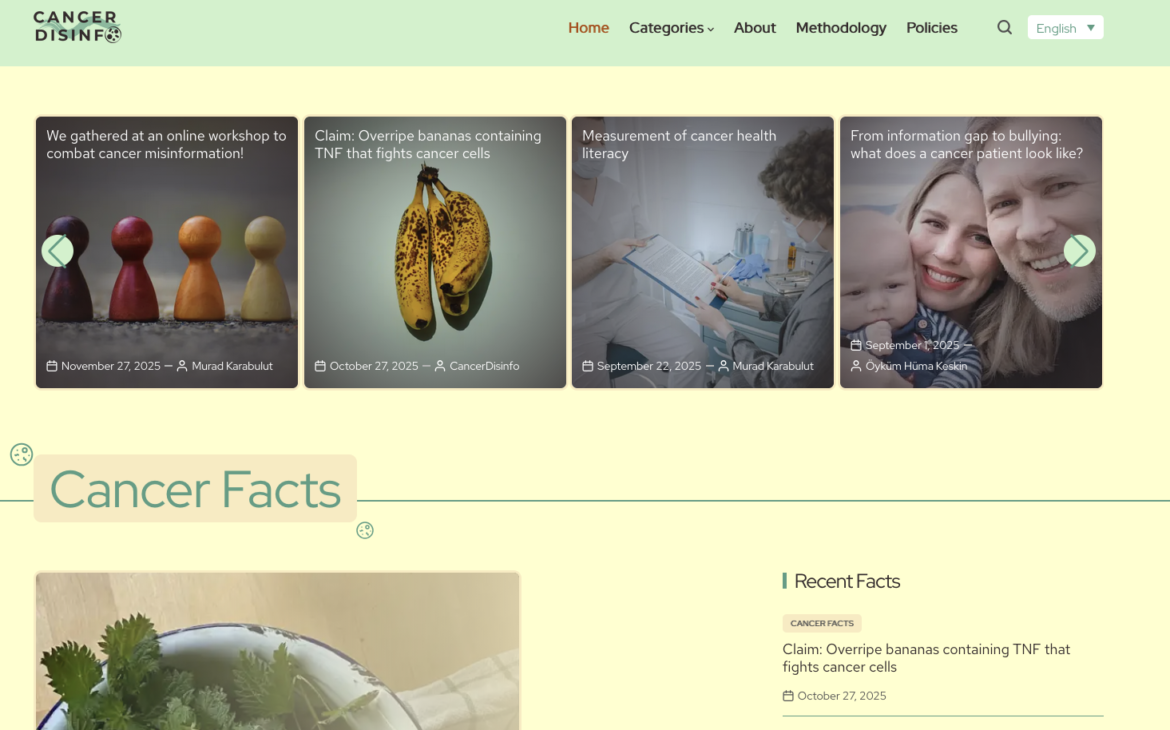
CancerDisinfo – Combating Cancer Misinformation
A growing initiative that aims to create a reliable, misinformation-free information environment for cancer patients, caregivers, and civil society organizations working with them. The initiative brings together fact-checking, community-building, and educational programs to strengthen information integrity around cancer.
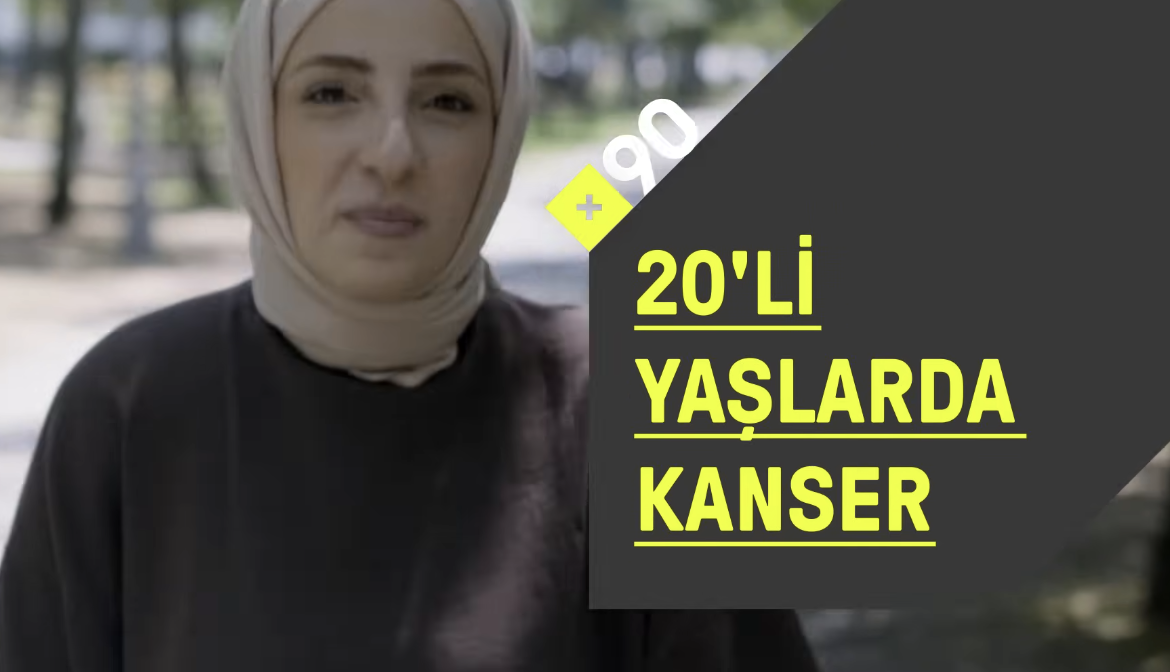
How Does Being Diagnosed with Cancer at a Young Age Affect One’s Life? – +90
In recent years, there has been a significant increase in cancer cases among young people. Although scientists have not yet been able to fully explain the reasons behind this rise, projections indicate a notable increase in new cancer cases among individuals aged 0–29 by 2040.
What is it like to be diagnosed with cancer in your twenties? In this video report, Ege and Sevinç share how their lives were reshaped after receiving their diagnoses and how they experienced changes in the way people around them treated and perceived them.

Sewerage Systems from Ancient Rome to Modern-Day Istanbul – +90
From Ancient Rome’s Cloaca Maxima to Istanbul’s modern sewerage infrastructure, this journey from past to future delves not only into the flow of water, but also into the depths of history. The video takes a close look at the processes inside wastewater treatment facilities—systems that sustain cities and protect public health—while experts discuss the strengths and weaknesses of Istanbul’s wastewater management.
Zeynep Karamanlı emphasizes that effective wastewater management is indispensable for protecting our seas, while Prof. Dr. Güçlü İnsel explains how new technologies could revolutionize water treatment processes.